
Why Accessibility Is Mandatory in 2025 (And What Businesses Risk Without It)
Think web accessibility is just a "nice-to-have" for charity? Think again. With the European Accessibility Act hitting in June 2025 and lawsuits skyrocketing, ignoring accessibility is now the fastest way to burn your revenue.
It is 2025. We have self-driving cars, AI that can write poetry, and fridges that order milk for us.
So, why are we still building websites that 15% of the population literally cannot use?
For years, accessibility was treated like the vegetable side dish at a BBQ—nice to have, good for you, but everyone really just came for the steak (the design).
Well, the era of "optional" is over. Between the new European Accessibility Act (EAA) and a lawsuit-happy legal culture, accessibility is no longer about "being nice." It is about staying in business.
Here is the brutal truth about why your website needs to be accessible yesterday, and what happens if you decide to roll the dice.
The "Doomsday" Deadline: June 28, 2025
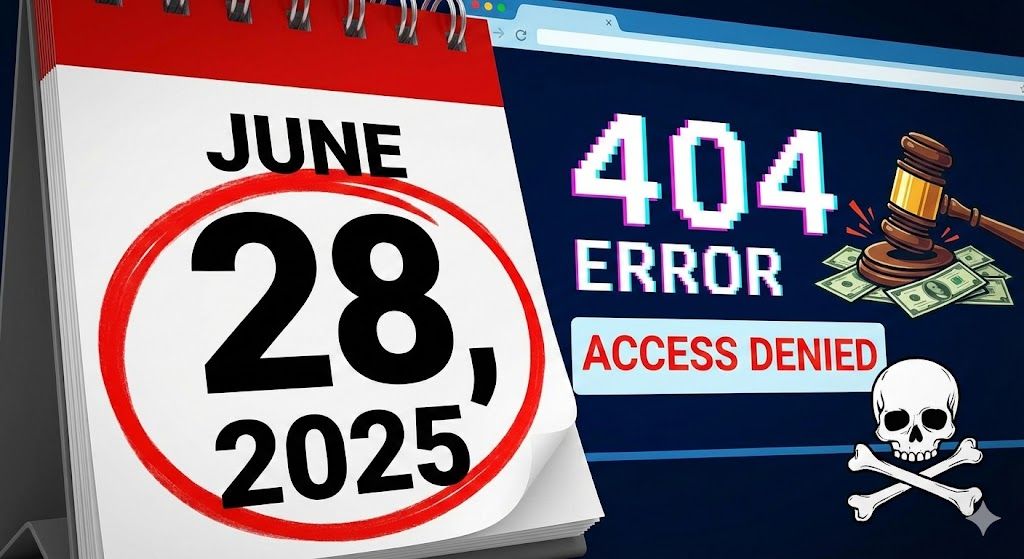
Mark this date on your calendar. Circle it in red. Maybe draw a little skull next to it.
On June 28, 2025, the European Accessibility Act (EAA) goes into full enforcement.
"But wait," I hear you say, "I’m a US business! I don’t care about Europe!"
Do you? Do you really? Because if you sell digital products, services, or e-commerce goods to anyone in the EU, this law applies to you. The EAA isn’t a suggestion; it’s a mandate. It covers everything from online banking to simple e-commerce shops.
If you aren't compliant, you aren't just looking at a slap on the wrist. You’re looking at fines that can reach €500,000, and in some cases, having your product removed from the market.
Imagine waking up on June 29th and realizing your entire European revenue stream just got turned off by a regulator. Ouch.
The Lawsuit Lottery (And You Are Holding a Ticket)
Let’s talk about the US side of things.
You might have noticed that ADA (Americans with Disabilities Act) lawsuits are passing out like candy at a parade. In 2025, digital accessibility lawsuits are projected to jump another 20%.