
Think web accessibility is just a "nice-to-have" for charity? Think again. With the European Accessibility Act hitting in June 2025 and lawsuits skyrocketing, ignoring accessibility is now the fastest way to burn your revenue.
Share
It is 2025. We have self-driving cars, AI that can write poetry, and fridges that order milk for us.
So, why are we still building websites that 15% of the population literally cannot use?
For years, accessibility was treated like the vegetable side dish at a BBQ—nice to have, good for you, but everyone really just came for the steak (the design).
Well, the era of "optional" is over. Between the new European Accessibility Act (EAA) and a lawsuit-happy legal culture, accessibility is no longer about "being nice." It is about staying in business.
Here is the brutal truth about why your website needs to be accessible yesterday, and what happens if you decide to roll the dice.
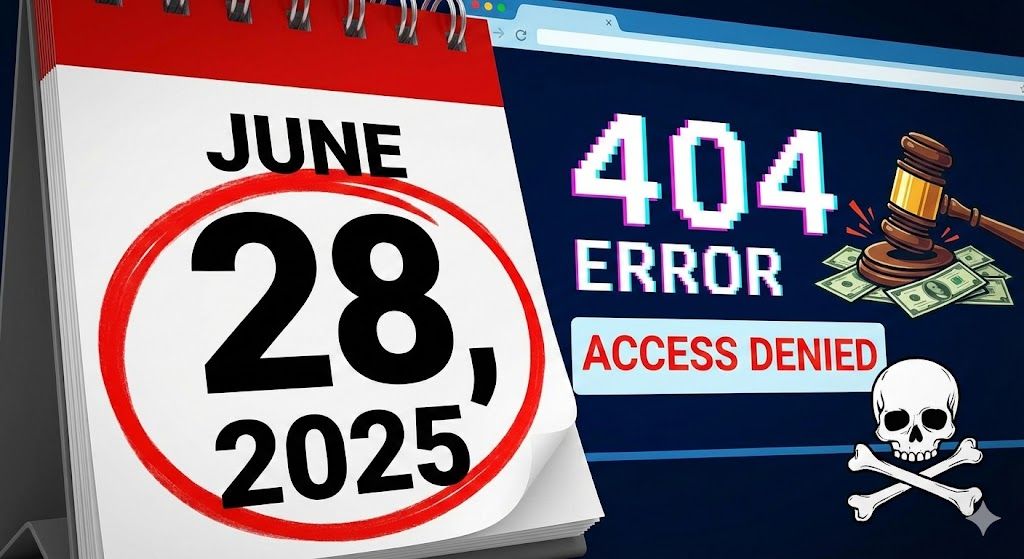
Mark this date on your calendar. Circle it in red. Maybe draw a little skull next to it.
On June 28, 2025, the European Accessibility Act (EAA) goes into full enforcement.
"But wait," I hear you say, "I’m a US business! I don’t care about Europe!"
Do you? Do you really? Because if you sell digital products, services, or e-commerce goods to anyone in the EU, this law applies to you. The EAA isn’t a suggestion; it’s a mandate. It covers everything from online banking to simple e-commerce shops.
If you aren't compliant, you aren't just looking at a slap on the wrist. You’re looking at fines that can reach €500,000, and in some cases, having your product removed from the market.
Imagine waking up on June 29th and realizing your entire European revenue stream just got turned off by a regulator. Ouch.
Let’s talk about the US side of things.
You might have noticed that ADA (Americans with Disabilities Act) lawsuits are passing out like candy at a parade. In 2025, digital accessibility lawsuits are projected to jump another 20%.
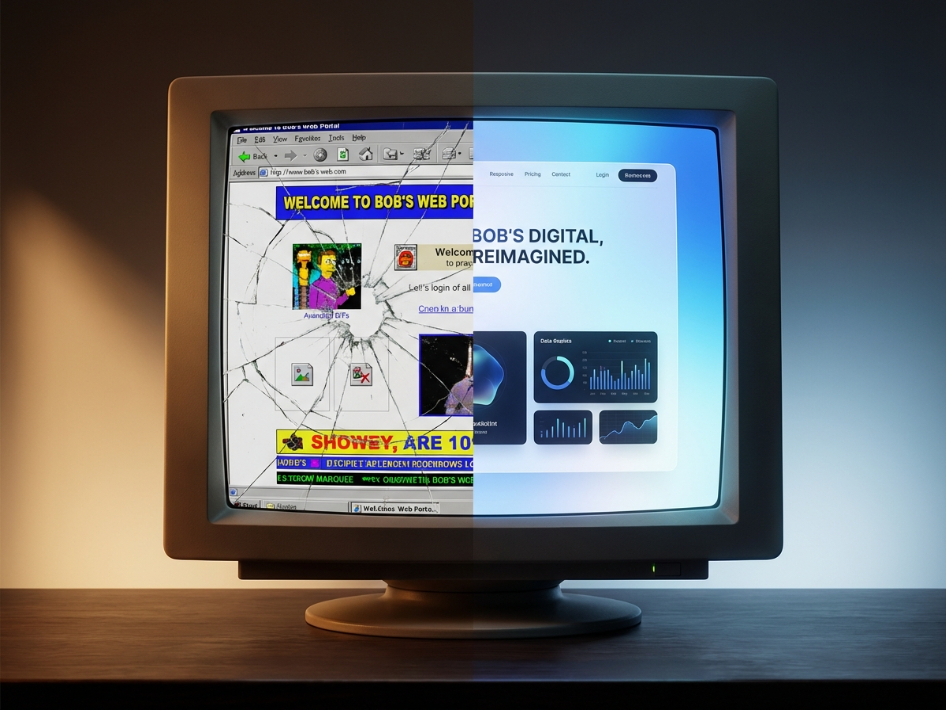
Predatory law firms are now using automated bots to scan the web, looking for non-compliant sites. They find a missing "alt tag" on your logo, and boom—you get a demand letter asking for $25,000.
It is a numbers game for them, but a nightmare for you.
The days of saying "I didn't know" are over. If your checkout button doesn't work with a keyboard, or your video player doesn't have captions, you are effectively painting a giant target on your back that says "Free Money Here."
I need to have a serious heart-to-heart with you about those "Magic Accessibility Buttons."
You know the ones. You pay $50 a month, install a line of code, and a little figure of a person appears in the corner of your site. The sales page promised you "100% Instant Compliance!"
It is a lie.
In fact, it’s worse than a lie. Data from 2024 and 2025 shows that having an accessibility overlay widget actually increases your chances of getting sued. Why? Because it proves you knew you had a problem but tried to slap a cheap band-aid on it instead of fixing the code.
Screen reader users hate them. Lawyers love them. Do yourself a favor: fire the widget and fix the actual website.
Let’s move away from fear and talk about greed. Everyone loves greed.
You want better SEO, right? You want to rank #1?
Here is a secret: Google is the world’s biggest blind user.
Google’s indexing bot cannot "see" your fancy video background. It cannot "see" your text embedded in an image. It relies on the exact same code structures that screen readers use: Alt text, proper heading hierarchy (H1, H2, H3), and semantic HTML.
When you fix your site for accessibility, you are accidentally perfecting your technical SEO.
Accessible sites load faster, have cleaner code, and are easier for Google to categorize. If you are ignoring accessibility, you are essentially telling Google, "Please rank my competitor above me."
Finally, let’s talk about the market you are ghosting.
People with disabilities control over $13 trillion in disposable income globally. In marketing, this is often called the "Purple Pound."
When your site is broken for them, they don’t complain. They don't email support. They just leave.
They click the "Back" button and go to Amazon or a competitor who actually took the time to label their form fields.
If 15% of your potential customers walked into your physical store and found the door locked, you would panic. But that is exactly what your website is doing right now.
In 2025, accessibility is the baseline. It is the minimum standard for a professional business.
You can view it as a burden, or you can view it as a competitive advantage. While your competitors are getting sued or losing European customers, you could be scooping up that market share with a site that actually works for everyone.
The choice is yours. Just don't say we didn't warn you about June 28th.