Why Your Website Still Sucks (And How Modern Web Design Actually Works)
Most websites look like they were built during someone’s lunch break. Here’s the brutally honest breakdown of why your site still sucks — and what modern design actually demands in 2025.
 Somya
Somya
The Harsh Reality: Most Websites Are Still Stuck in 2012
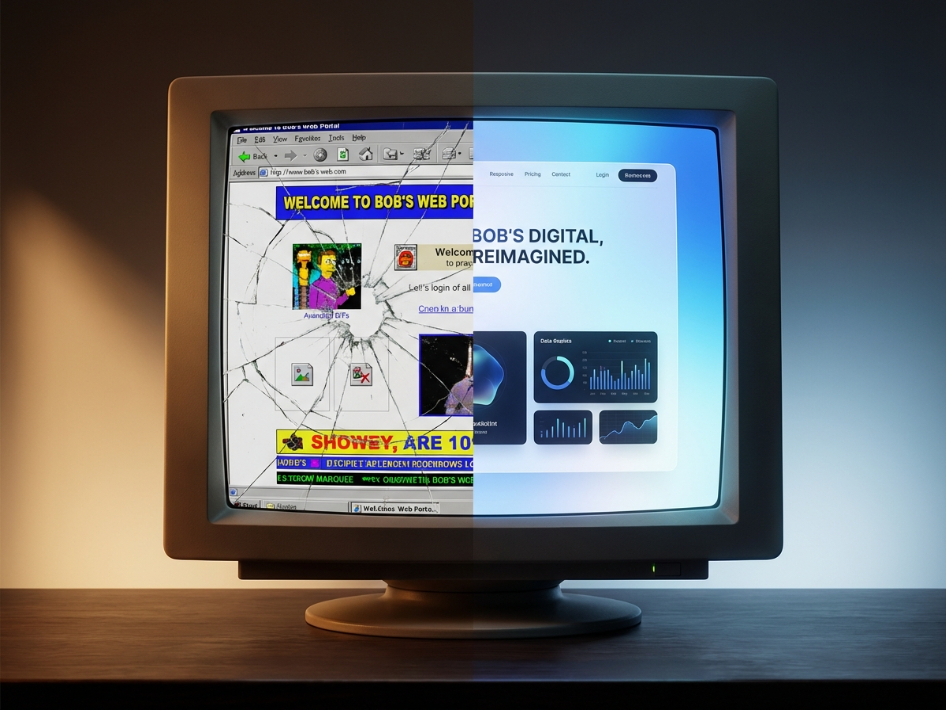
Let’s not sugarcoat it — most business websites look like they were last updated when Instagram still had a brown logo. Slow load times, clunky navigation, outdated design, and enough SEO issues to make Google cry.
If your website is “fine,” it’s probably not fine.
“Fine” doesn’t convert.
“Fine” doesn’t rank.
“Fine” doesn’t impress anyone who actually has money.
Your Website Is Supposed to Make Money — Not Just Take Up Hosting Space
A website today has one mission:
Convert. Impress. Make cash. Repeat.
If it’s not doing that, then yes — your website sucks.
But don’t panic. It’s fixable.
Enter Webflow: Design That Doesn’t Fight You Back
Webflow is what happens when design gets an upgrade and stops acting like a stubborn toddler.
Here’s why it’s a game-changer:
- Visual design that actually stays true on the live site.
- High-speed hosting — your users won’t age waiting for pages to load.
- No “plugin babysitting.”
- Designers can build, devs can scale — everyone wins.
It’s modern, clean, and honestly… it just works.
Next.js: The Powerhouse Behind Serious Websites
If your brand needs something more robust — dashboards, complex logic, custom experiences — Next.js steps into the chat.
Here’s why big companies use it:
- Lightning-fast performance with SSR & ISR
- Enterprise-grade routing and security
- Integrations with literally anything
- SEO superpowers backed by the React ecosystem